
XJY Packaging Journal
How to Set MOQ Expectations for Custom Paper Packaging
A practical explanation of why MOQ changes across bags, boxes, cups, bowls, and labels, and how buyers can plan more efficiently.
MOQ is driven by production setup, not just sales policy
Minimum order quantity often reflects plate cost, material purchasing, die setup, and line efficiency. Different packaging formats naturally land at different MOQ levels.
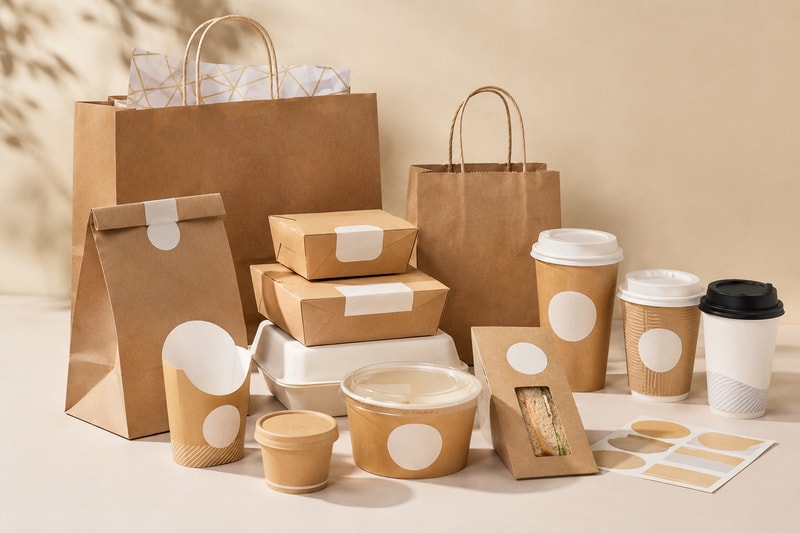
Bags and boxes
Custom bags and boxes usually need print setup plus die-cutting or structural tooling, so MOQ is often influenced by both artwork complexity and the physical format.
Cups and bowls
Paper cups and bowls often run on faster, more specialized equipment, which can make MOQ more sensitive to size changes and lining combinations.
Labels and stickers
Labels may look small, but MOQ still depends on material rolls, die shape, finishing, and whether the buyer needs fixed or variable data.
How buyers can work around MOQ pressure
Using standard sizes, reducing finish changes, or aligning several SKUs to one structure can sometimes make a project easier to launch without unnecessary complexity.
MOQ should be planned with total program needs
Instead of looking at MOQ as a barrier by itself, buyers usually get better results by reviewing forecast, storage, launch timing, and whether the same structure can serve multiple campaigns.