
XJY Packaging Journal
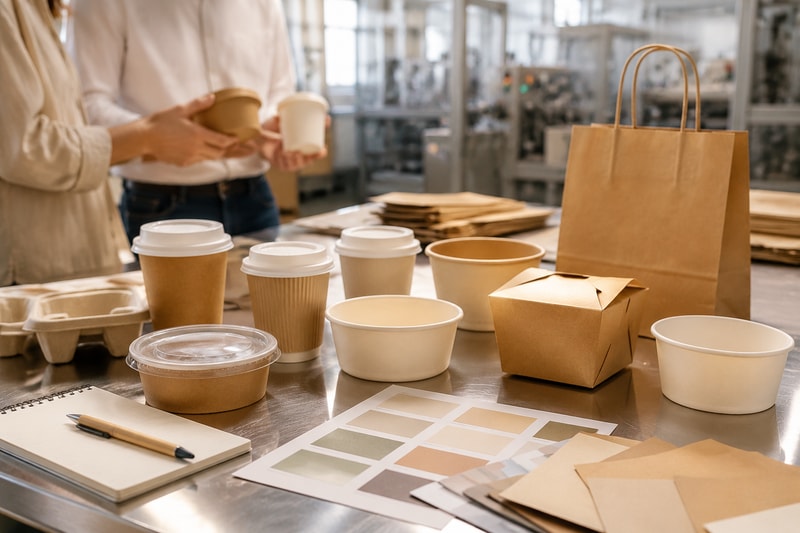
What Makes a Good Custom Food Packaging Sample Before Mass Production
The key checkpoints buyers should review in paper cups, bowls, bags, and takeaway boxes before approving a production run.
Sampling is not just for print approval
A strong packaging sample should help the buyer evaluate structure, use conditions, and production readiness, not only whether the artwork looks correct.
Check real fill and carry conditions
For bowls, cups, and takeaway bags, a useful sample should be tested with realistic product weight, moisture, heat, and sealing or lid conditions.
Review structure under actual use
Boxes should open and close smoothly. Bags should lift with the expected load. Cups and bowls should match the intended lids without distortion or leakage.
Confirm print hierarchy and branding
On a finished sample, logos, product names, and regulatory text should remain readable when the package is folded, stacked, or held in hand.
Validate material and finish
If the package includes lamination, foil, grease resistance, freezer adhesive, or compostable lining, those details should be present in the sample so the buyer can approve the final material combination with confidence.
Use sampling to reduce production risk
The sample stage is the best moment to fix unclear dimensions, weak stress points, or artwork placement issues. Small adjustments here usually save far more time and cost later in production.